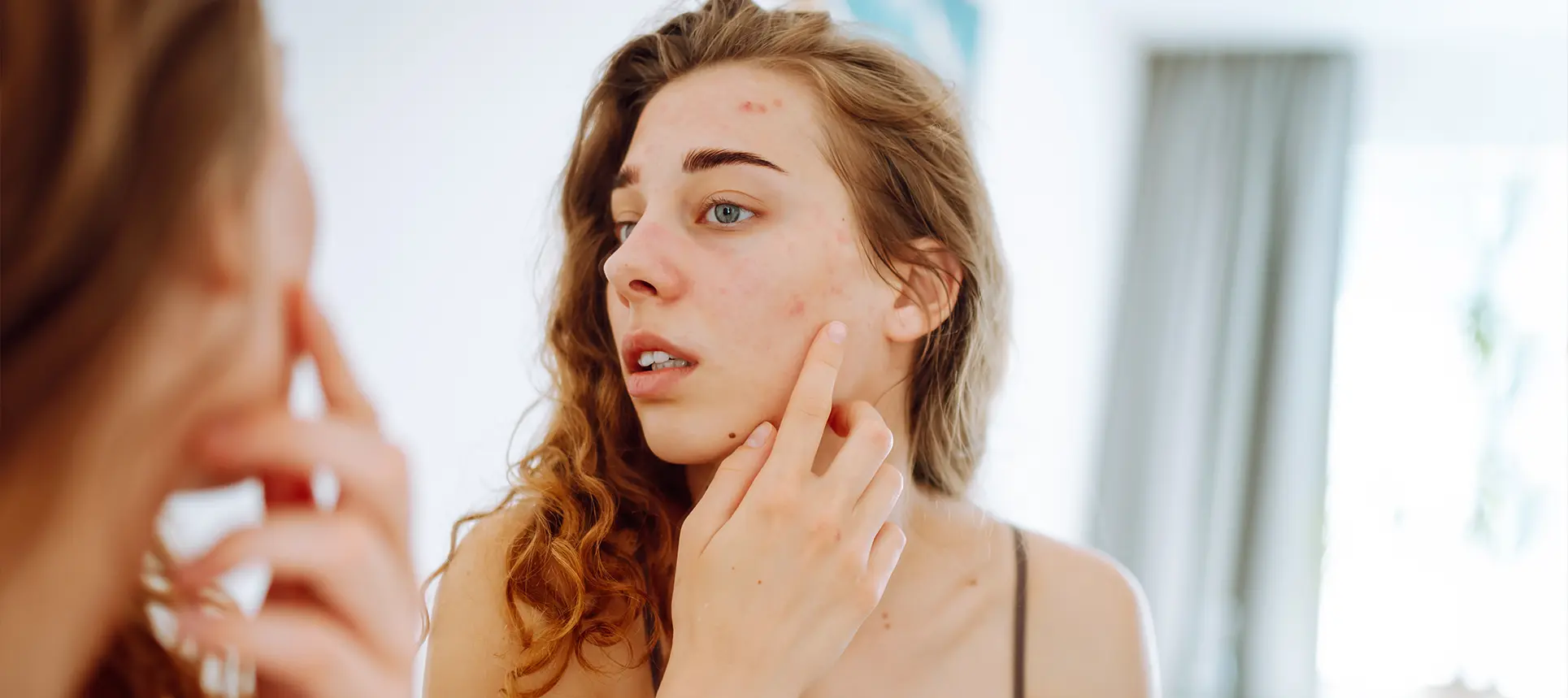
Tretinoin has long been considered one of the most effective topical treatments in dermatology. From persistent acne to visible signs of photoaging, this vitamin A derivative remains a cornerstone of evidence-based skin therapy. Among available strengths, tretinoin 0.1% is typically reserved for patients who require stronger clinical results and already have experience using retinoids.
This article explains how tretinoin 0.1% works, when dermatologists recommend it, and how to use it safely to achieve visible improvements while minimizing irritation.
What Is Tretinoin and How Does It Work?
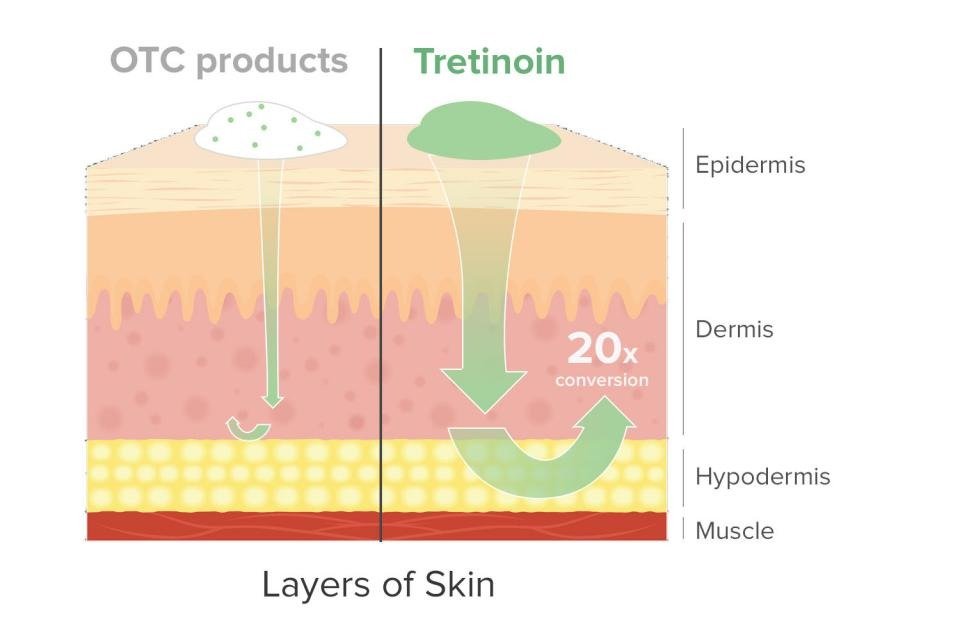
Tretinoin (all-trans retinoic acid) is a prescription-strength retinoid that directly accelerates skin cell turnover. Unlike cosmetic retinol, tretinoin does not require conversion in the skin and acts immediately at the cellular level.
Its main effects include:
- Increased epidermal renewal
- Prevention of clogged pores
- Stimulation of collagen synthesis
- Gradual fading of hyperpigmentation
These mechanisms explain why tretinoin is widely used for both acne treatment and long-term skin rejuvenation.
Why Dermatologists Prescribe Tretinoin 0.1%
Lower concentrations such as 0.025% or 0.05% are often used initially. The 0.1% formulation is usually introduced when:
- Acne remains persistent despite lower strengths
- Skin has already adapted to retinoids
- Photoaging signs are more advanced
- Faster clinical response is needed
According to the American Academy of Dermatology, topical retinoids are considered first-line therapy for acne and are among the most effective treatments for photoaging when used consistently and correctly.
Acne Benefits of Tretinoin 0.1%
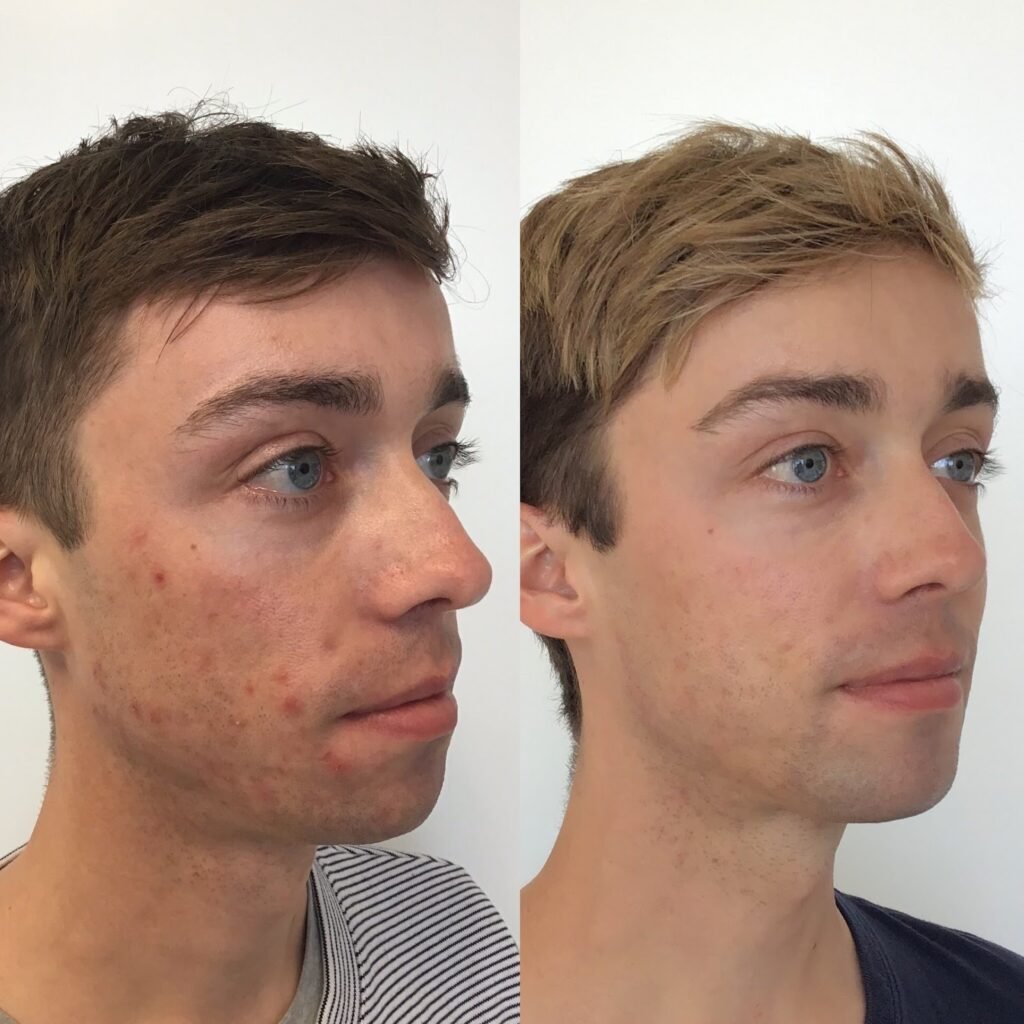
Tretinoin treats acne by targeting its underlying causes rather than masking symptoms. By preventing follicular blockage, it reduces the formation of comedones and inflammatory lesions over time.
Key benefits include:
- Fewer blackheads and whiteheads
- Reduced inflammatory breakouts
- Improved effectiveness of other acne treatments
- Lower risk of post-acne scarring
An initial worsening of acne, often called “purging,” may occur during the first few weeks and is considered a normal phase of treatment.
Photoaging and Anti-Aging Effects
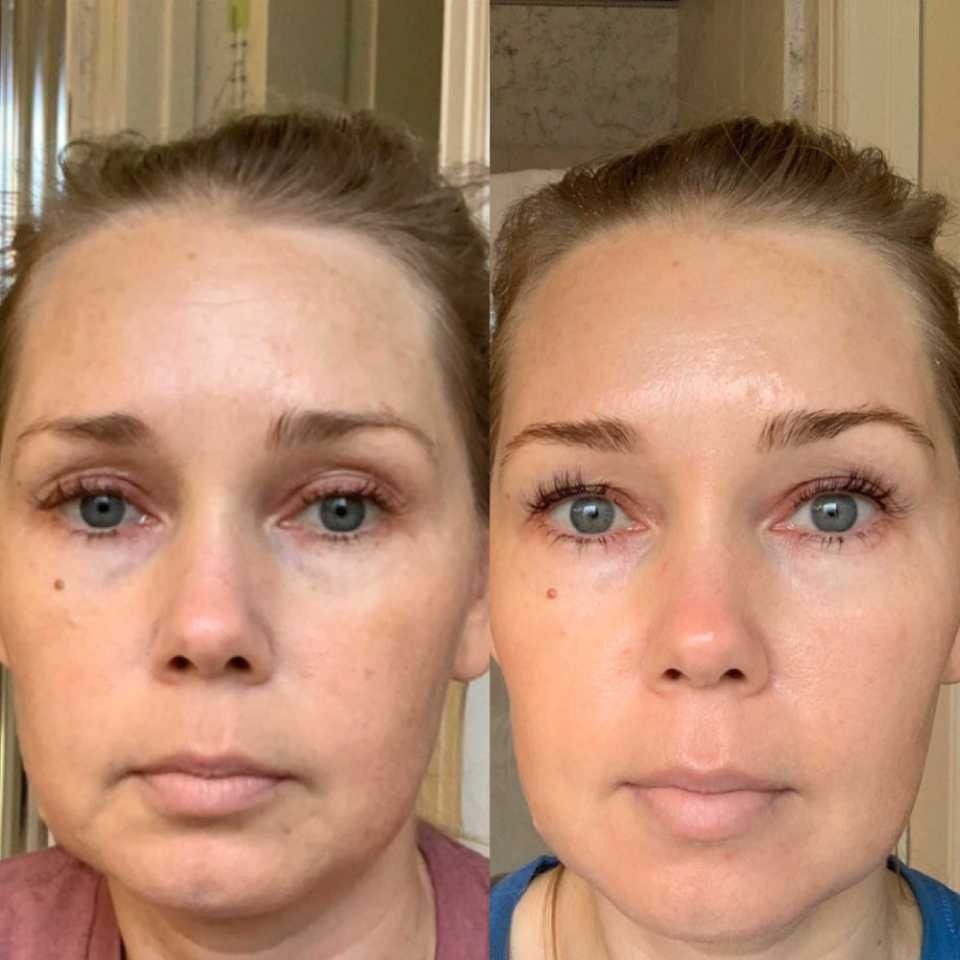
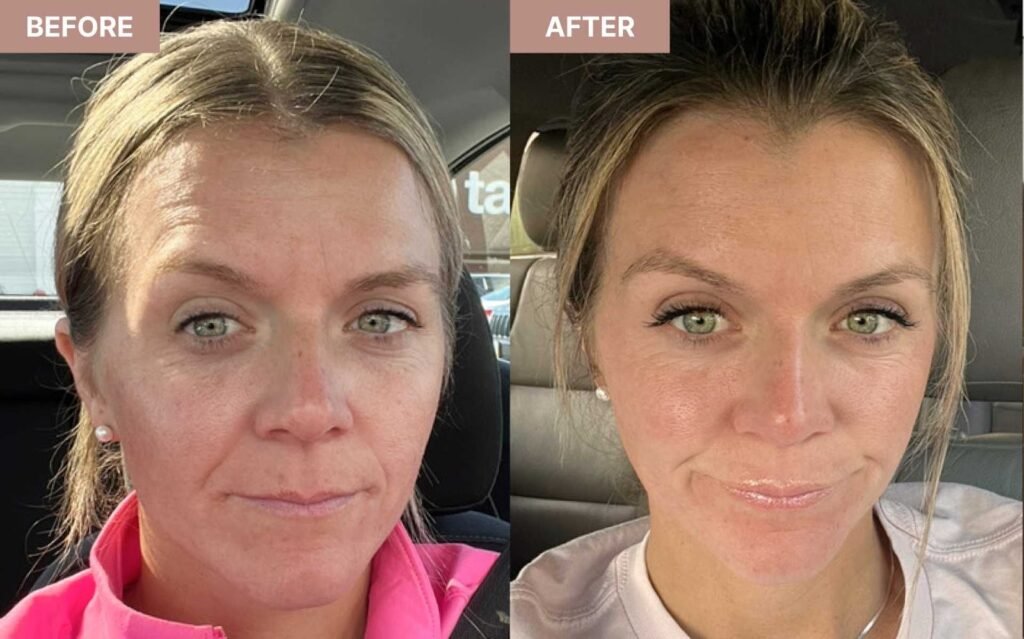
Tretinoin 0.1% is one of the few topical agents proven to reverse visible sun damage. Long-term use improves both epidermal and dermal skin structure.
Documented benefits include:
- Smoother skin texture
- Reduction of fine lines and wrinkles
- More even pigmentation
- Increased collagen density
For this reason, tretinoin remains a cornerstone of medical-grade anti-aging regimens.
How to Use Tretinoin 0.1% Safely
Because of its strength, careful application is essential.
Dermatologist-recommended use:
- Apply once daily at night
- Use a pea-sized amount for the entire face
- Apply only to completely dry skin
- Moisturize regularly to support the skin barrier
- Use broad-spectrum sunscreen every morning
Sun protection is critical, as tretinoin increases photosensitivity.
Managing Side Effects
Common side effects include dryness, redness, peeling, and mild irritation, especially during the first 4–6 weeks. These reactions usually subside as the skin adapts.
To reduce irritation:
- Start with application every other night
- Use gentle, fragrance-free cleansers
- Avoid exfoliating acids during the initial phase
- Apply moisturizer before or after tretinoin if needed
Adjusting frequency is often more effective than stopping treatment altogether.
Choosing a High-Quality Tretinoin Product
Formulation quality and authenticity significantly affect results. For patients seeking a high-strength option suitable for normal to dry skin types, tretinoin 0.1% cream is commonly recommended.
A reliable option is
👉 tretinoin 0.1% cream — https://okdermo.com/product/tretinoin-01-percent-cream-buy-online-otc/
Cream formulations tend to be better tolerated than gels in higher concentrations.
Who Should Avoid Tretinoin?
Tretinoin is not appropriate for everyone and should be avoided or used only under medical supervision in cases of:
- Pregnancy or breastfeeding
- Active eczema or severely compromised skin barrier
- Acute rosacea flare-ups
- Known hypersensitivity to retinoids
Consultation with a dermatologist is recommended before starting high-strength tretinoin.
Conclusion
Tretinoin 0.1% remains one of the most effective and well-studied topical treatments for acne and photoaging. With proper use, patience, and consistent sun protection, it can deliver long-term improvements in skin clarity, texture, and overall appearance.
Used responsibly, tretinoin offers results that few other topical agents can match.