The elegance of a multi-floor home comes with the task of cleaning. More space means more effort, turning a simple chore into a significant time and physical burden. Fortunately, robot vacuums can transform this labor-intensive task into an effortless experience. This article explains how these smart devices handle homes with multiple floors.
Why Use a Robot Vacuum for Multi-Floor Homes?
The primary advantage is saving time and physical effort. Multi-story homes demand hours spent cleaning, which can become burdensome. A robotic vacuum automates this routine, freeing up your time.
These devices are designed to handle a variety of surfaces such as hardwood, carpet, and tiles. Many smart vacuums allow programming specific cleaning routines for each level of your home, controlled easily from your phone.
Methods for Cleaning Multi-Floor Homes with Robot Vacuums
While the market still lacks a smart vacuum that can independently navigate and clean multiple floors, innovative solutions make cleaning routines more manageable. Here are practical methods for cleaning multi-floor homes using a vacuum cleaner.
Method 1: Use Robot Vacuums with Edge Detection Features
A significant concern with vacuum cleaner is the risk of falling down stairs. To address this, choose vacuums equipped with edge-detecting features. These vacuums use advanced cliff sensors to measure distances and calculate approach time, ensuring they turn back in time.
Method 2: Map the Layout of Each Floor
Modern robot vacuums and mops feature advanced mapping functions. Equipped with sensors and AI-based algorithms, these vacuums quickly learn the space and create virtual maps of your floors on the app. Some models use advanced LiDAR to enhance mapping abilities, creating precise 3D maps.
You can tap on the app to send the robot to clean. These machines recommend the most fitting cleaning method for different levels of your home. With multiple floor support available via a mobile app, you can save and name the map of each floor, then set up zoned cleaning for specific rooms and areas.
Method 3: Install Docking Stations on Different Floors
The most common method is to manually move the device to each floor for cleaning. With a docking station on every floor, the device can efficiently continue its cleaning cycle after recharging, ensuring thorough cleaning of large areas and multiple rooms without manual intervention. It eliminates the need to move the vacuum cleaner between floors for recharging.
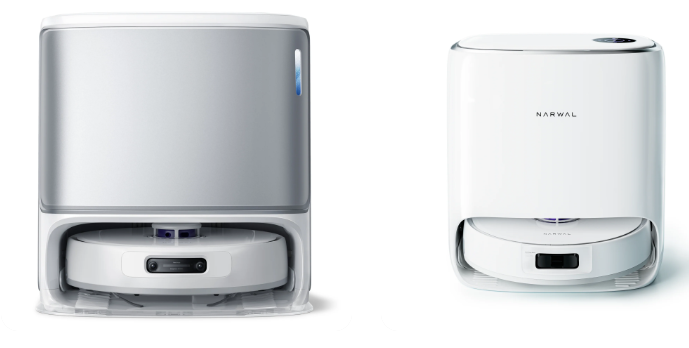
This setup allows for spot cleaning and manual control without disrupting the vacuum’s navigation system. Standard charging docks automatically charge the device, while advanced auto-empty versions can self-empty the dustbin, and multifunctional stations can even clean the mops.
Method 4: Use a Fleet of Robot Vacuums
For a truly hands-free cleaning experience, consider using a fleet of automatic vacuums, one for each floor. While this approach can be costlier, it eliminates the need to move vacuums between floors manually.
Optimizing Robot Vacuum Performance for Multi-Floor Cleaning
Cleaning multi-floor homes can be challenging, but with the right strategies, you can maximize the efficiency of your robot mop and achieve a truly hands-free experience. Here are some comprehensive methods to optimize multi-floor cleaning using advanced robot mops.
Method 1: Utilize Multi-Floor Mapping Technology
Modern robot mops are equipped with advanced mapping capabilities, allowing them to create and store separate maps for each floor. This feature enables the robot to navigate and clean each floor efficiently without confusion.
Benefits:
- Precise Navigation: The robot can plan the most efficient cleaning path for each floor, avoiding missed spots or redundant cleaning.
- Customized Cleaning: Set different cleaning modes (e.g., mopping, vacuuming, or hybrid) for each floor based on floor type (e.g., hardwood, tiles, or carpets).
- Zone Cleaning: Designate specific areas or rooms on each floor for targeted cleaning, such as focusing on high-traffic areas like kitchens or living rooms.
Method 2: Install Docking Stations on Each Floor
To eliminate the need for manually moving the robot mop between floors, consider installing a docking station on each level. This allows the robot to return to its station for charging or maintenance after completing a cleaning task, ensuring seamless operation across multiple floors.
Key Considerations:
- Compatibility: Ensure the docking station is compatible with your robot mop model.
- Functionality: Choose a docking station that suits your needs, such as:
- Standard Dock: Provides basic charging functionality.
- Advanced Dock: Offers additional features like automatic mop washing, drying, and self-emptying for a fully automated experience.
Benefits:
- Fully Automated Cleaning: No need to manually transport the robot between floors.
- Efficient Operation: The robot can recharge and resume cleaning without interruption, ideal for large homes or multi-floor layouts.
Method 3: Leverage AI-Powered Navigation and 3D Mapping
High-end robot mops are equipped with AI-powered navigation and 3D mapping technologies, enabling them to create detailed maps of each floor and recognize room types, furniture layouts, and floor materials. This allows the robot to adapt its cleaning strategy for optimal results.
Applications:
- Multi-Floor Adaptation: The robot can adjust its cleaning behavior based on the specific layout and floor type of each level.
- Obstacle Avoidance: Using AI vision, the robot can detect and avoid obstacles like stairs, pet toys, or cables, preventing accidents or malfunctions.
- Learning Capabilities: The robot improves its cleaning efficiency over time by analyzing historical cleaning data and optimizing its routes.
Benefits:
- Smart Cleaning: Tailored cleaning strategies for each floor enhance overall performance.
- Safety Assurance: Prevents the robot from falling down stairs or damaging furniture.
Method 4: Assign a Dedicated Robot Mop to Each Floor
For a completely hands-free multi-floor cleaning experience, consider assigning a dedicated robot mop to each floor. While this approach may require a higher initial investment, it eliminates the need to move the robot between floors and ensures consistent cleaning.
Recommendations:
- High-Performance Models: Use advanced models for main floors (e.g., living rooms, kitchens) that support mopping, vacuuming, and self-cleaning features.
- Budget-Friendly Options: Opt for cost-effective models for secondary floors (e.g., bedrooms, offices) to meet basic cleaning needs.
Benefits:
- Full Automation: Each floor has its own robot, ensuring continuous cleaning without manual intervention.
- Flexible Management: Monitor and control multiple robots through a single app for seamless operation.
Method 5: Set Up Virtual Barriers and No-Go Zones
In multi-floor homes, certain areas (e.g., staircases, pet zones, or play areas) may need to be avoided during cleaning. By setting up virtual barriers or no-go zones, you can prevent the robot from entering these areas while maintaining cleaning efficiency.
How to Set Up:
- Use the companion app to draw virtual walls or no-go zones on the map.
- The robot will automatically avoid these areas during cleaning.
Benefits:
- Enhanced Safety: Prevents the robot from falling down stairs or entering hazardous areas.
- Focused Cleaning: Ensures the robot concentrates on areas that require attention, improving overall efficiency.
Method 6: Regular Maintenance and Software Updates
To ensure optimal performance of your robot mop in multi-floor cleaning, regular maintenance and software updates are essential.
Maintenance Tips:
- Clean Sensors: Regularly wipe the robot’s cliff sensors, cameras, and navigation modules to ensure accurate operation.
- Replace Consumables: Timely replacement of mop pads, brushes, and filters maintains peak cleaning performance.
- Software Updates: Keep the robot’s firmware up to date through the app to access the latest features and improvements.
Benefits:
- Extended Lifespan: Proper maintenance prolongs the robot’s operational life.
- Improved Performance: Software updates enhance cleaning efficiency and introduce new functionalities.
Navigating the complexities of multi floor robot vacuum
The freo z10 presents a smart solution for multi-floor homes. It’s AI powered recognition and precision that keeps your floors spick and span!
Key Considerations When Choosing a Robot Vacuum for Multi-Floor Cleaning
When selecting a vacuum cleaner for a multi-floor home, certain features are essential for thorough and efficient cleaning. Here are key factors to consider:
- Navigation: Smart navigation systems that smoothly across different floor types and avoid obstacles.
- Memory: The layout of multiple floors is saved so the device can automatically identify its surroundings.
- Obstacle Detection: The device should be able to avoid getting stuck on furniture, to ensure cleaning is uninterrupted.
- Smooth Transition Capability: This includes moving over thresholds and adapting to changes in floor height.
- Customizable Cleaning Modes: Adjustable preferences for each floor type can enhance cleaning performance.
- Carpet detection: equipped with a sensor that can recognize carpets, the vacuum cleaner can automatically adjust the cleaning mode and suction power to ensure that both floors and carpets are cleaned thoroughly.
- Battery Life: A longer battery life is crucial for covering larger homes with multiple floors.
- Strong Suction Power: Efficient cleaning on various floor types requires powerful suction. Choose a vacuum with adjustable suction settings that can increase power when moving from hard floors to carpets for deeper cleaning.
Conclusion
Robot vacuums can provide an efficient solution for maintaining cleanliness across multiple floors in a home. By manually moving the device or assigning dedicated units, homeowners can leverage the capabilities of these smart devices to reduce the time and effort required for floor cleaning.