An in-ground pool can add a lot to a home. It creates a place to relax, exercise, and spend time with family. But it also comes with steady maintenance. And compared with smaller or simpler pool setups, an in-ground pool often asks for more attention.
The challenge is not only size. In-ground pools usually have deeper sections, fixed shapes, steps, corners, and long wall surfaces. Dirt does not collect in just one place. It spreads across different areas, and each area can need a different kind of cleaning. That is why many homeowners find that basic cleaning habits are not always enough.
The good news is that most of these problems can be handled in a smarter way. Pool care does not need to feel endless. Once you understand the main trouble spots, it becomes much easier to build a routine that saves time and keeps the pool in better condition.
Debris Does Not Settle Evenly
One of the first challenges with an in-ground pool is uneven debris buildup. Leaves may drift toward one end. Fine dust may settle in the deep area. Sand may collect near steps or ledges. Bugs and small particles can remain near the edges even when the center looks clear.
This matters because uneven buildup often leads to uneven cleaning. Many homeowners clean what they can see first. That is natural. But hidden or less visible debris can stay behind and slowly create a larger mess.
A smarter way to handle this is to stop thinking of the pool as one flat surface. It helps to treat it as several zones. The floor, the slope, the corners, the steps, and the waterline all need different levels of attention. When you know where dirt tends to gather, you can clean with more purpose instead of spending extra time guessing where to start.
The Deep End Often Gets Ignored
The deep end is one of the most common problem areas in an in-ground pool. It is harder to reach, harder to inspect, and easier to delay. A quick surface check may make the pool look clean, while dirt is still sitting on the bottom in the deeper section.
This happens often because the deep end is less convenient to clean by hand. It may require more effort, more equipment movement, and more time. That is why debris can remain there longer than it should.
The smarter approach is simple. Make the deep end part of every main cleaning session, not an occasional extra task. If it is always treated as “later,” it will become the place where dirt builds up first. A consistent routine keeps this area from turning into a larger cleanup job.
Walls and Waterlines Need More Attention Than Expected
Many pool owners focus on the floor because that is where large debris is easiest to see. But in-ground pools also have long wall surfaces and a visible waterline. These areas collect buildup in a different way.
Pool walls can hold fine dirt, light algae, and surface residue. The waterline often collects oils, sunscreen, and small marks from daily use. These issues may start lightly, but once they sit for too long, they become harder to remove.
This is why floor-only cleaning does not always feel complete. A pool may look better after the floor is cleaned, yet still appear neglected because the walls or top edge show visible buildup.
A smarter method is to include these surfaces in your normal routine before they look heavily stained. Light buildup is easier to remove. Regular attention saves effort.
Corners, Steps, and Curves Trap Dirt
In-ground pools are rarely simple rectangles with no interruptions. Many include steps, benches, curved edges, tanning ledges, or tight corners. These features improve comfort, but they also create places where dirt can settle and stay trapped.
Corners tend to catch leaves and fine particles. Steps can collect grit. Curved transitions may break up water movement and allow small debris to gather. These are the places that are easy to miss during quick cleaning.
The smarter way to deal with them is to identify your pool’s “repeat problem spots.” Most pools have them. Once you know where they are, you do not need to inspect every inch in the same way every time. You can give a little extra attention to the areas that need it most. This saves time and makes the cleaning process more efficient.
Manual Cleaning Takes Longer Than Most People Expect
Many homeowners begin with a simple plan: skim, brush, vacuum, repeat. That works in theory. But in practice, manual cleaning often takes more time than expected, especially with an in-ground pool.
The size of the pool alone adds time. Then there is the need to move across different depths and surfaces. Add walls, corners, and waterline buildup, and a “quick cleaning” can turn into a much longer task.
This is often where frustration begins. The issue is not that the pool cannot be cleaned. The issue is that the time required can be hard to manage week after week.
A smarter approach is to reduce the amount of manual work in the most repetitive parts of the job. That does not mean ignoring the pool. It means being selective. Focus your effort where a human check matters most, and simplify the routine tasks that happen again and again.
Irregular Cleaning Creates Bigger Problems
Another challenge with in-ground pools is that skipped maintenance becomes visible fast. If a busy week leads to delayed cleaning, debris can spread, settle, and build up across multiple surfaces. One missed routine can create extra work the next time.
This is why irregular cleaning usually feels more exhausting than regular cleaning. The pool goes from “light upkeep” to “catch-up mode.” Once that happens, even simple debris removal can take much longer.
The smarter solution is consistency, not perfection. Short, regular cleaning sessions usually work better than waiting for the pool to look dirty and then doing a deep clean. A steady routine prevents the pool from slipping into a condition that demands more time and energy.
Smarter Tools Can Reduce Routine Work
There is also a practical limit to how much manual cleaning most homeowners want to do. If the process is too time-consuming, it becomes harder to stay consistent. That is why many people start looking for ways to reduce the routine workload.
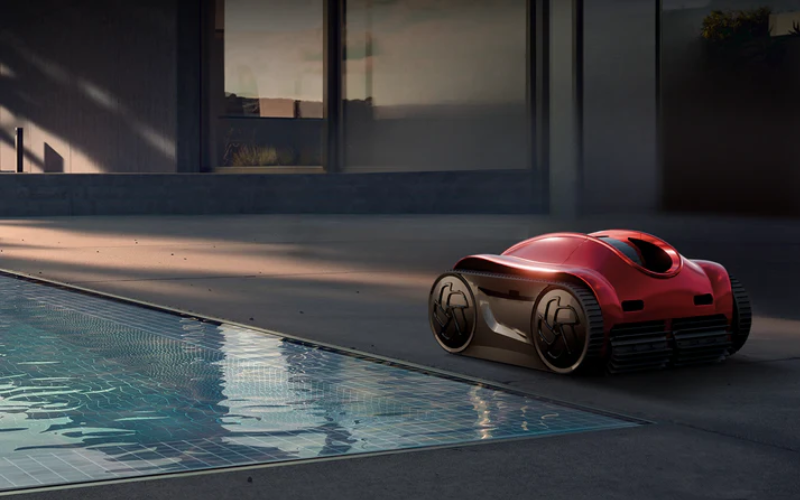
For many in-ground pools, the biggest time sink is repeated floor and wall cleaning. Using a robotic cleaner can take over that routine work and keep coverage more consistent across zones. A model like the iGarden Robotic Pool Cleaner fits this role when the goal is to reduce hands-on vacuuming and make weekly upkeep easier to maintain.
The key idea is not to make maintenance disappear. The goal is to reduce the most repetitive tasks so the overall routine becomes easier to maintain over time.
A Better Routine Starts With Simplicity
The smartest way to handle in-ground pool cleaning is not to create a complicated plan. It is to build a simple one that covers the main trouble spots on a regular basis.
A practical routine often includes:
- checking the surface and visible debris several times a week
- cleaning the floor and deep end on a steady schedule
- paying attention to walls and the waterline before buildup gets heavy
- watching corners, steps, and ledges where dirt tends to collect
- avoiding long gaps between cleaning sessions
This kind of approach works because it matches how dirt actually builds up in an in-ground pool. It also helps prevent the feeling that every cleaning day is a major project.
Smarter Handling Means Less Stress
In-ground pools come with real cleaning challenges. Debris settles unevenly. Deep areas are easy to ignore. Walls and waterlines need more care than many people expect. Steps, curves, and corners can trap dirt in ways that simple routines miss.
But these problems are manageable. Once you stop treating pool cleaning as one large task and start handling it by zones, patterns, and regular habits, the work becomes much easier. Smarter pool care is not about doing more. It is about doing the right things at the right time.
And for most homeowners, that is the difference between a pool that feels demanding and one that feels much easier to enjoy.